
Whether a wet mattress or sofa can be saved depends mostly on what kind of water soaked it and how long it stayed wet. A mattress or sofa that got clean water from a supply line and is dried within about 24 to 48 hours has a fair chance. One that sat in sewage, flood water or dirty washer water should usually be discarded, because porous stuffing cannot be reliably cleaned.
Water category decides what happens next
Restoration standards such as ANSI/IICRC S500 sort water into three categories. Category 1 is clean water from a broken supply line or a leaking faucet. Category 2 has some contamination, such as dishwasher or washing machine discharge. Category 3 is grossly contaminated, including sewage and flood water.
Clean water that sits for a day or two can degrade into Category 2 as bacteria grow in damp fabric. So the category is not only about the source. It is also about time, which is why speed matters more than anything else you do.
| Water category | Typical source | Mattress | Upholstered sofa |
|---|---|---|---|
| Category 1 (clean) | Supply line, sink overflow, rain through a fresh leak | May be dried if wet only on the surface or edge and dried within 24 to 48 hours | Often salvageable if the frame is solid wood and cushions dry fast |
| Category 2 (gray) | Dishwasher or washer discharge, aquarium | Usually discarded | Cleaning by a specialist is possible for some pieces, but replacement is common |
| Category 3 (black) | Sewage backup, flood water, canal overflow | Discard | Discard upholstered parts. Some hard frames can be cleaned |
Mattress: what can and cannot be saved
Mattress type matters. An innerspring mattress with a thin comfort layer dries faster than memory foam or latex, which hold water deep inside the core. Foam that is soaked through is very hard to dry from the inside, even with fans, and trapped moisture can lead to odor and growth.
A spill on the surface or a wet edge may be fine. A mattress that has been saturated from below, such as one lying on a flooded floor, usually is not. If the label says the mattress is non-removable cover, you cannot clean the inner layers.
Furniture wet and the floor underneath too? Call the dispatch line to have the moisture mapped.
Call (516) 845-9582Sofa and upholstered furniture
Sofas have more structure to save. A solid-wood frame can be dried, but a frame made from particleboard swells and falls apart. Cushions are the weak point because foam and batting hold water the same way a mattress does.
Check the underside and the springs for rust or staining. Look at the fabric tag for cleaning codes. Leather and microfiber can sometimes be cleaned by a furniture cleaner, but a sofa that has been wet more than two days, or has a musty smell after drying, is usually better replaced.
Drying steps for a clean-water soaking
- Stop the water source first. If a pipe is leaking, close the main and see water extraction for the standing water.
- Move the item off the wet floor right away and lift it onto plastic blocks or foil-wrapped wood so air reaches the bottom.
- Remove bedding, cushion covers and any removable fabric. Wash covers on a hot cycle if the label allows.
- Blot with clean towels, pressing down. Do not rub, which pushes water deeper. Use a wet-dry vacuum on the surface if you have one.
- Stand a mattress on its edge in a well-ventilated space and aim box fans at both sides. Flip it every few hours.
- Run a dehumidifier in the room. Outdoors on a dry, warm day with a tarp underneath is another option, but do not leave anything out in damp weather.
- Sprinkle baking soda on dry surfaces to absorb odor, then vacuum after several hours.
- Check again after 24 and 48 hours. A damp feel, a sour or musty odor or visible spotting means it has not dried and may not dry.
What not to do
Avoid heaters, hair dryers on high or direct flame, which can damage foam and create a fire risk. Do not seal a wet item in plastic, since that traps moisture. Do not sleep on a mattress or sit on a sofa until it is completely dry and odor free.
Do not mix cleaning chemicals, and do not soak the item with disinfectant to cover a smell. If anyone in the household has asthma, allergies or a weakened immune system, ask a physician whether a previously wet item is acceptable to use.
Look at the floor and walls under and behind it
Furniture is rarely the only thing that got wet. A mattress or sofa pressed against a wet carpet keeps releasing moisture back into the pad and the room. Wicking from carpet and padding can climb a wall's baseboard and drywall within a day.
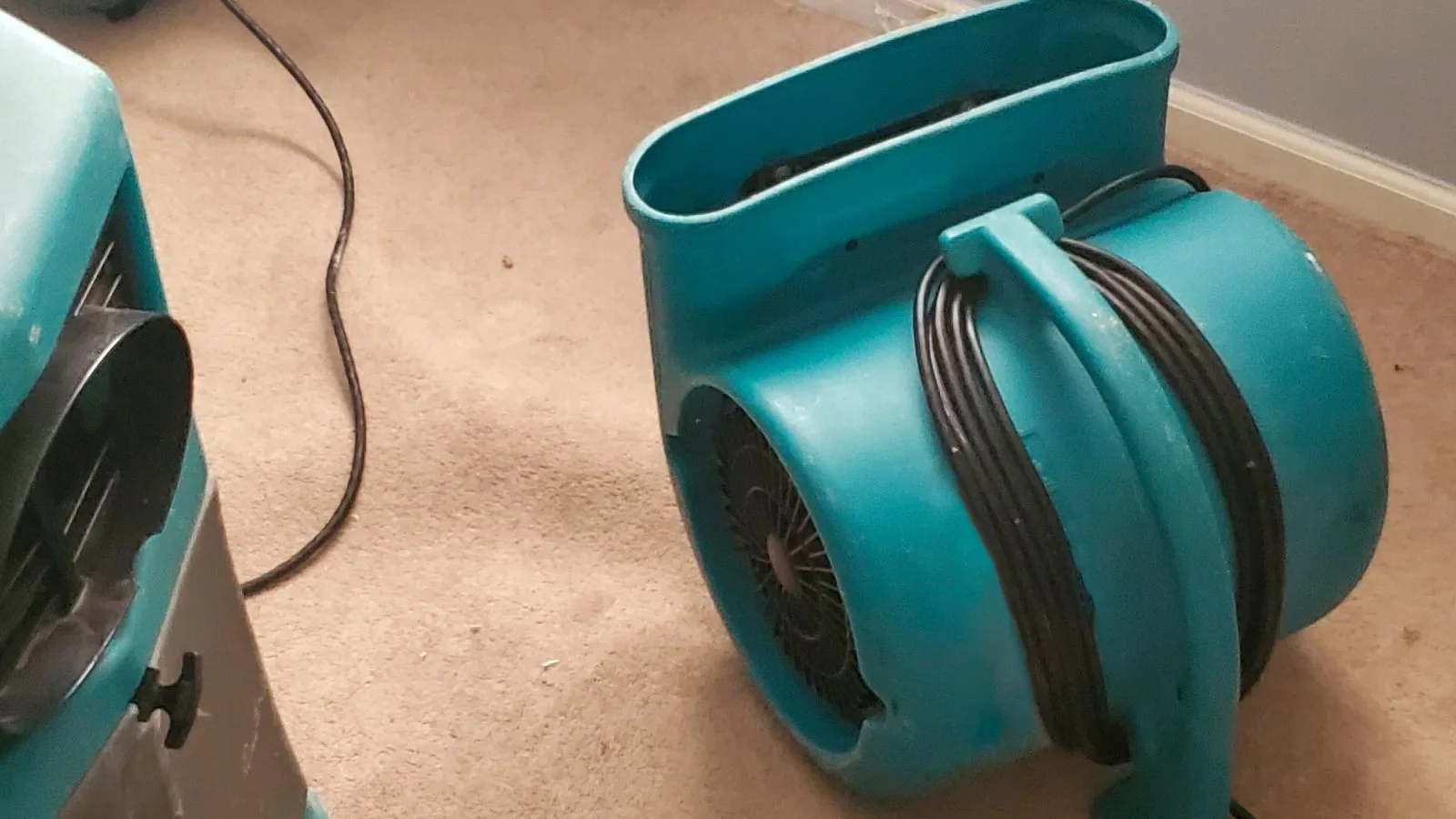
Measure the room, not just the furniture. Moisture meters and thermal imaging cameras find damp subfloors and wall cavities that you cannot feel, and the drying plan in structural drying and dehumidification explains how air movers and dehumidifiers reach those layers. If the water came from a drain, see sewage backup cleanup.
Insurance and photos before you throw anything out
Many homeowners and renters policies include personal property coverage for sudden and accidental water, though gradual leaks and flood are often excluded. Check your policy for limits and deductibles, and ask your insurer what documentation it needs. New York's Department of Financial Services advises documenting damage before cleanup.
Photograph the item, the label and the water line, and list the brand and age. Keep a swatch or tag if the insurer asks for it. Do not discard anything before you have taken photos, unless it is contaminated and unsafe to keep.
Honest limits
No drying method can promise that a once-soaked mattress is as good as new. Deep foam, hidden springs and stuffing can stay damp or hold odor even after the surface feels dry. When you are unsure, replacing the item costs less than living with a lingering smell.
Restoration crews dry structures and, in some cases, clean contents, but they do not guarantee that furniture can be saved. Our service area page lists where we dispatch for water damage at the building level.
What Seaford homeowners should check locally
The National Weather Service recorded canal overflows in Seaford during Hurricane Irene in August 2011. Water from canals and the bays is treated as Category 3, so any upholstered furniture or mattress that sat in it is generally discarded. If you live near water, store seasonal furniture off the floor.
Nassau County's hazard mitigation plan lists Seaford with mapped V-zones. Look up your address on the FEMA flood map and move bedding and soft furniture out of lower levels ahead of a coastal storm.
New York's Department of Financial Services states that a typical homeowners or renters policy does not cover flood damage. If you rent, tell your landlord about the leak in writing and ask your insurer whether your own contents are covered.
Frequently asked questions
Can a wet mattress be saved?
Sometimes. A mattress wet on the surface with clean water, and dried within 24 to 48 hours, has a fair chance. Memory foam and latex that soaked all the way through, and any mattress exposed to sewage or flood water, should be discarded.
How long does a wet sofa take to dry?
Cushions and fabric can dry in a few days with fans and a dehumidifier, while the frame and padding underneath can take longer. If it still feels damp or smells musty after four to five days, it is unlikely to dry fully.
Is it safe to keep a mattress that got wet from a washing machine leak?
Washer discharge is usually Category 2, which carries some contamination. Most mattresses exposed to it are discarded. For questions about health, allergies or immune conditions, ask a physician.
Will baking soda or vinegar fix the smell?
They can reduce a mild odor on a dry surface, but they do not dry a wet core. A smell that returns after drying usually means moisture or growth remains inside, and the item should be replaced.
Should I photograph the furniture before throwing it away?
Yes. Take photos of the item, the label and the wet area, and note the brand and age. If you plan to file a claim, check your policy and ask your insurer what proof it needs before you discard.
Do I throw out my sofa if floodwater from a canal or bay reached it?
Usually yes for the upholstered parts. NWS recorded canal overflows in Seaford during Hurricane Irene, and canal or bay water is treated as Category 3. A hard frame may be cleaned by a specialist, but ask first, and check your flood coverage.
If the floor, pad or wall behind the sofa is wet, drying the furniture alone will not finish the job. Call the 24/7 line.
Call (516) 845-9582