
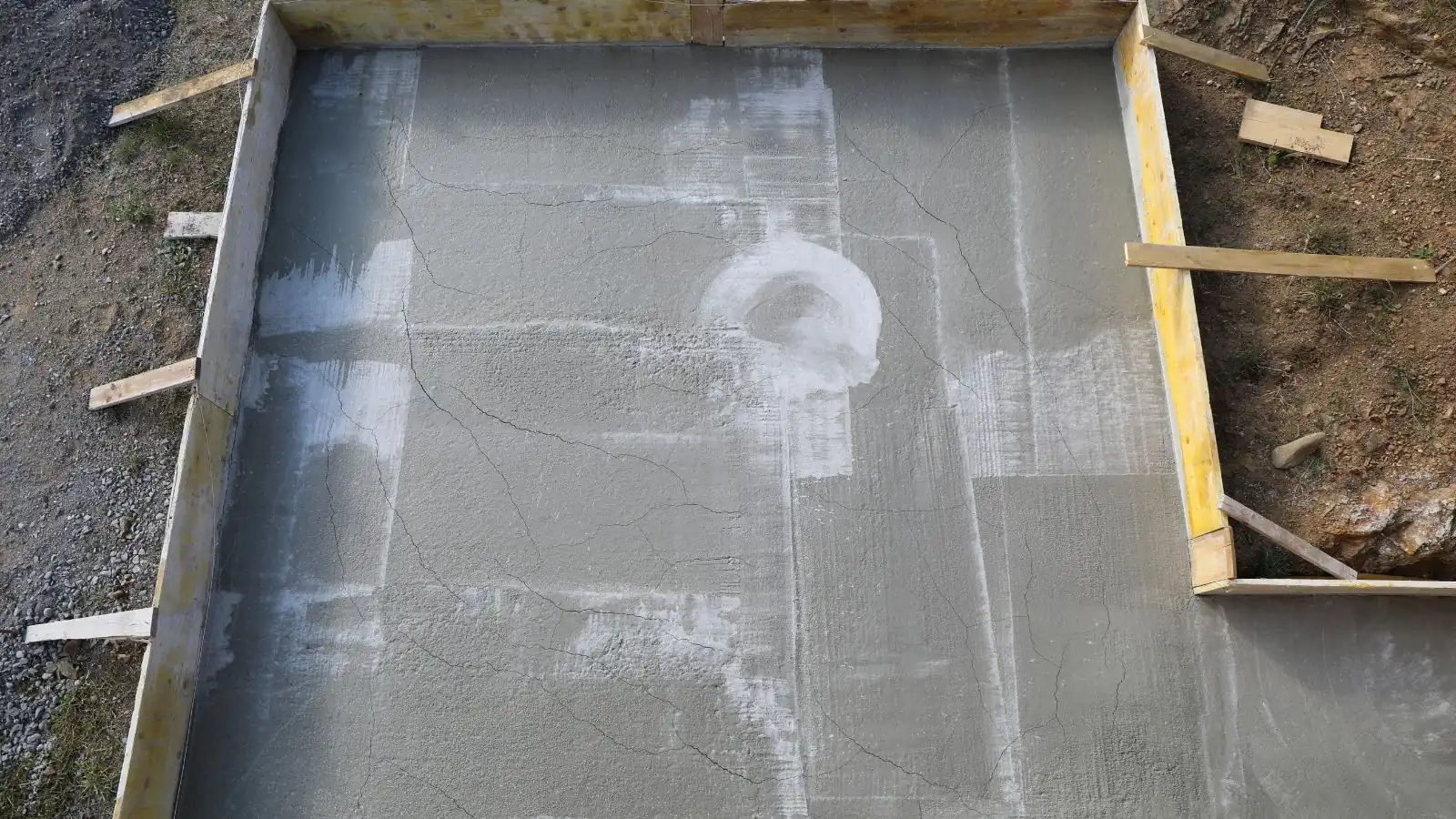
Slab leak water damage in Seaford, NY is the wetting of flooring, baseboards, walls and subfloor by a pipe that is leaking inside or beneath a concrete slab. The dispatch line is open 24/7. Water under a slab has no easy way out, so it climbs through cracks, expansion joints and wall bottoms until it shows up in a room.
Until the crew and a plumber arrive, close the main water valve for the house and keep everyone off wet floors near outlets. If the floor is hot to the touch, avoid bare feet.
Why does my floor feel warm and my water bill keep climbing?
A warm patch on a floor with no heating pipe under it, a bill that rises with no change in habits, and a faint hiss when the house is quiet are the classic signs. Together they often mean a pressurized line has opened up under the concrete. The trade name for that is a slab leak, and finding it is a plumber's job while drying what it soaked is ours.
Slab leak signs that are urgent right now
Some signs mean the water is moving through the house today and the main valve should be closed before anything else.
- Water seeping up through a crack, a floor joint or the bottom of a wall.
- Flooring that lifts, cups or feels wet underfoot with no obvious source.
- A water meter that keeps moving when every fixture and appliance is off.
- Low water pressure throughout the house, or the sound of running water in silence.
- A hot spot in the floor, which can mean a hot water line is the one that failed.
A quick meter test helps. Shut off every tap and appliance, note the meter reading, wait 30 minutes and look again. Ask your water utility how to read your meter and what it can tell you. Liberty Utilities lists Seaford among the communities in its Merrick water system.
Floor damp and the source unknown? Call the dispatch line and describe what you see, hear and feel underfoot.
Call (516) 845-9582Safety: water, electrics and scalding lines
A leak under a slab can push water up beside a panel, a laundry room outlet or a heater closet. Hot water lines add a scald risk.
Before you call us
If water reaches a panel, outlet or cord, stay out of the room. Cut power at the main only if the panel is dry and reachable without stepping in water. When in doubt, leave it alone.
Call the utility or 911 for sparks, a burning smell or any gas odor before calling the restoration line. Do not break into the slab yourself.
What a slab leak is, and how it gets into the house
Supply lines run in or under the concrete floor in some homes, and a pinhole from corrosion, abrasion against gravel or a failed joint can open one. Whether your own house has this setup depends on how it was built, so check. If your house sits on a slab, the lines may be in or under it. If it has a basement or crawl space, they usually run overhead and this does not apply.
Once a line leaks, the pressure drives water sideways along the slab until it finds a path up. That path is why damage often appears far from the actual break.
How the source is found and the damage is dried
A licensed plumber uses acoustic listening gear, thermal imaging, tracer gas or a pressure test to locate the leak. Repair means breaking the slab for a spot repair, rerouting the line through walls or ceiling, or repiping. We start drying once the supply is closed.
Moisture meters check flooring, baseboard and the lower wall. Extraction removes standing water, air movers dry surfaces, and LGR dehumidifiers pull moisture from the room. Concrete itself is slow to release water, so readings are logged to confirm the floor has reached its dry standard before new flooring goes down.
| Clue | Likely meaning | Next step |
|---|---|---|
| Meter runs with everything off | Leak somewhere after the meter | Close the main, call a plumber for detection |
| Warm spot on the floor | Hot water line leaking under the slab | Plumber, then drying. See burst pipe water damage |
| Damp wall bottom, dry above | Slab seepage or groundwater | Moisture mapping, check drainage. See flood damage restoration |
| Wet carpet edges near one wall | Possible slab line or wall line | Meter readings and lift carpet edge. See carpet water damage restoration |
Repair choices and honest trade-offs
Breaking the slab for a spot repair is fastest, though it leaves a patch and dust. Rerouting the line overhead avoids the slab and fixes the weak run for good. Repiping the house costs more but suits homes where several lines are failing.
Whatever the choice, drying should wait until the supply is shut off or fixed, otherwise the equipment runs against a live leak. If the wet area is small, wall repair may follow. See wall and drywall water damage repair.
What sets the price of slab leak water damage cleanup
Drying cost follows the affected area, the flooring type, the water category and how long the floor stayed wet. Hardwood and laminate over a slab often come up, while tile and sealed concrete can usually be dried.
Drying days, equipment count and rebuild scope such as baseboard, drywall and floor finish all count. The plumbing repair is a separate cost. Scope and price are explained before work starts, and a call gives a real number.
A general note on insurance
Policies differ on slab leaks. Sudden and accidental water damage is often covered, but the cost of reaching and repairing the pipe, and slow leaks that ran for a long time, often are not. Read your policy, ask your insurer how it treats leaks under a foundation, and do not assume anything.
NY DFS recommends documenting damage before cleanup and filing promptly. We cannot promise a result.
What we do not do
We do not locate leaks, cut slabs or repair plumbing. We do not set a price for the plumber's work. Our work is extraction, drying and cleanup of what the water reached.
Ask the Town of Hempstead Department of Buildings whether breaking the slab or repiping needs a permit before the plumber starts.
If a slab leak does turn up in your Seaford home
It helps to move early, since concrete holds water and flooring does not. Photograph the wet floor, note the meter reading and call a plumber for detection. Then use our service area page to confirm we cover your street, and the contact page for how dispatch works.
Frequently asked questions
Do you handle slab leak emergencies at night or on weekends in Seaford?
Yes. The dispatch line runs 24/7. Close the main water valve, stay clear of wet electrics, and call. We do not promise an arrival time. A plumber still has to find the leak itself.
Why is my floor warm and my water bill so high?
A warm floor patch with a rising bill can mean a hot water line is leaking under the slab. Run the meter test with everything off and call a plumber to confirm. Once the supply is fixed, we dry any wet flooring and walls.
Can you find a slab leak?
Locating the leak is a licensed plumber's job, using listening devices, thermal imaging or pressure tests. We find and map the water damage with moisture meters and thermal cameras. The two visits work together, in either order.
Is a slab leak covered by homeowners insurance?
It depends on the policy. Sudden and accidental damage is often covered, while access and repair of the pipe and long-running seepage often are not. Ask your insurer before you sign off on repairs, and keep photos and plumber reports.
How long does it take to dry a floor after a slab leak?
Typically 3 to 7 days of equipment, though concrete and thick flooring can take longer. We log moisture readings at each visit and stop when the floor meets its dry standard under ANSI/IICRC S500.
Could the damp be groundwater instead of a pipe?
Yes. A damp slab can come from groundwater or poor drainage. The meter test and a plumber's pressure test separate the two. If groundwater is the cause, see basement water damage cleanup for how below-grade moisture is handled.
Day or night, call to get the wet areas scoped. Scope and price are explained before drying equipment is placed.
Call (516) 845-9582