
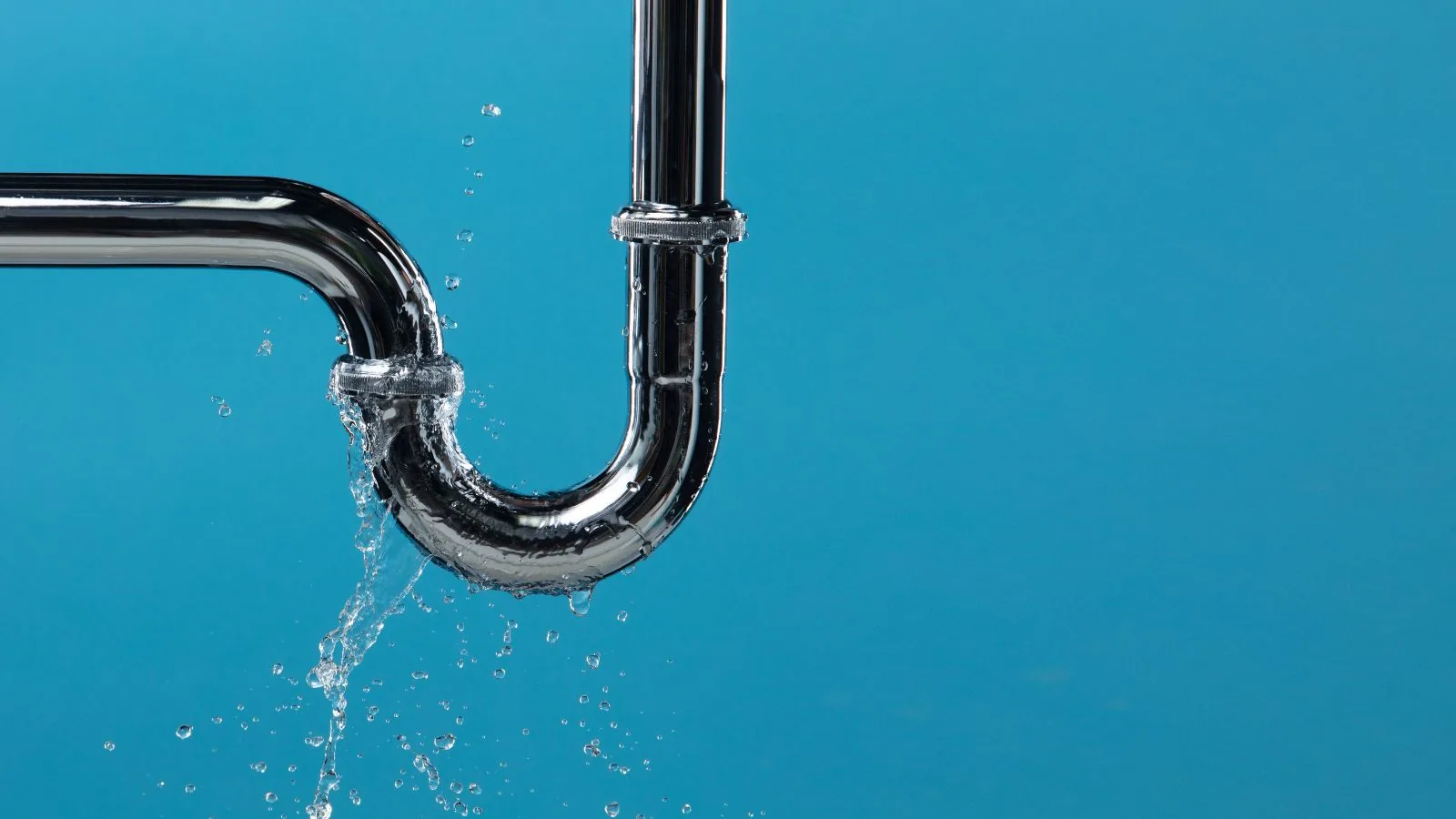
Kitchen water damage is moisture that has soaked cabinets, subfloor, drywall or flooring in a kitchen, most often from a leak that nobody saw for days. In Seaford, NY the usual sources are the sink drain and supply lines, the dishwasher, the refrigerator ice maker line and the pipes inside the walls. The sooner the area is opened and measured, the more of it can be saved.
Drying wet cabinets and subfloors follows ANSI/IICRC S500, the published standard for professional water damage work, and you can ask any contractor how its crews apply it to cabinet boxes and toe kicks.
Signs of a hidden kitchen leak
Look for a cabinet base that has swollen or lifted at the bottom edge, a toe kick that has come loose, flooring that has cupped or gone soft, and a musty smell in the sink cabinet. A water ring on the underside of the countertop or a drip on the shutoff valve confirms it.
A slow leak can run for weeks, so the first sign is often the smell or the floor, not water on the surface.
Where kitchen water comes from
Sink and faucet
Loose compression fittings, cracked supply lines and a leaking trap below the basin.
Dishwasher
Worn door gasket, drain hose or inlet valve. See the appliance leak page for those.
Refrigerator
Ice maker supply lines and drain pans that leak behind or under the unit.
Supply lines in walls
Pinholes or failed joints that spray inside the wall cavity.
Counter or window seal
Caulk failure around the backsplash or sink rim lets water into the cabinet.
Cabinet bases swelling or the floor by the sink feeling soft? Call and describe it, and a crew can tell you what to check.
Call (516) 845-9582How the loss is assessed
A moisture meter checks cabinet sides, the floor under the sink and the drywall behind the base. A thermal imaging camera shows cooler wet areas through finishes, and a pin meter confirms the reading in solid wood.
Crews often remove the toe kick and drill small ports in cabinet bases so warm air can reach the cavity behind. That makes drying possible without tearing out the whole run of cabinets, which is the alternative when the cabinet is swollen past recovery.
Save, dry or replace: how cabinets hold up
Cabinet material decides the outcome more than how long the water sat. Solid wood and plywood often dry and recover. Particleboard and MDF swell and lose strength once they soak.
| Material | Usual result | Note |
|---|---|---|
| Solid wood | Often dried and saved | May need refinishing if it stained or cupped |
| Plywood box | Often dried and saved | Check edges for delamination |
| Particleboard or MDF | Often replaced | Swells and does not return to shape |
| Laminate or thermofoil face | Face can peel | The core decides whether it is worth saving |
| Stone or solid-surface counter | Usually unharmed | Check what is below it |
Kitchen floors: vinyl, tile and wood
Water under vinyl plank or sheet flooring can sit for weeks, and the floor feels dry on top. Tile survives, but the grout and the layers below may not. For wood and laminate, see hardwood floor water damage repair.
Crews lift a section to read the subfloor. If it reads within range of a dry reference, drying goes ahead. If it has swollen or softened, that area is cut out and replaced.
Drying the kitchen: equipment and timing
Air movers push air across the floor and into open cabinet bays. LGR dehumidifiers pull the moisture out of the room, and an injection system can push warm air into closed cabinet bases and wall cavities.
Most kitchen jobs run three to five days of equipment time, with readings each day. For the broader process, read about structural drying and dehumidification.
What sets the price of a kitchen water damage job
Factors include the water category (a clean supply line leak is category 1), the size of the wet area and the materials involved. Cabinet replacement costs more than drying, and flooring that must be lifted adds time.
Drying days and the equipment count set the rest. Rebuild scope, such as new cabinets or flooring, is a separate estimate. Scope and price are explained before work starts, and a call gets you a real number for your kitchen.
Insurance and kitchen leaks: general notes
A sudden and accidental leak, such as a burst supply line, is often covered, while a slow drip that went on for months often is not. Read your policy and ask your insurer, and take photos before anything is removed.
Keep the failed part if you can, since an adjuster may want to see it. We cannot promise approval or a payout.
What we do not do
Restoration is not plumbing. If a supply line or drain failed, a plumber must replace it before we dry, or the leak starts again. We do not build or install new cabinets or counters.
If the source is a leaking pipe in a wall that shows up on the floor above, see burst pipe water damage.
For Seaford owners and renters
The Census reports an owner-occupied rate of 92.9 percent in Seaford, so most kitchen leaks here are the owner's to deal with. Shutoff questions about your water service go to your water utility. Liberty Utilities lists Seaford in its Merrick system.
Renters should tell the landlord in writing, since New York's warranty of habitability, in Real Property Law 235-b, covers conditions that make a home unfit. Our service area page lists nearby towns.
Frequently asked questions
Can my kitchen cabinets be dried and saved?
Often yes, if they are solid wood or plywood and the wet time was short. Crews remove the toe kick, drill small ports and push warm air into the cabinet base. Particleboard and MDF usually swell and are replaced. A moisture reading decides.
How do I know the leak is under the sink?
Empty the cabinet, dry the pipes and set a paper towel under the trap and shutoff valves. Check it after an hour of normal use. A wet spot or a musty smell tells you where it starts. A plumber should fix the part before drying begins.
Is vinyl flooring ruined by a dishwasher leak?
Not always, but water spreads under vinyl and stays there. Crews lift a section and read the subfloor. If the subfloor is within range of a dry reference, drying works. If it is soft or swollen, that part is cut out.
How long does kitchen drying take?
Most jobs run three to five days of equipment time, longer for thick wood or when cabinets are closed up. Daily readings show the numbers. The plan and the likely days are explained before work starts.
Will insurance pay for new cabinets?
It might if the leak was sudden and accidental, but a gradual leak is often excluded. Read your policy and ask your insurer. Photograph everything first. We cannot promise approval.
Can I get help with kitchen leaks right away?
Availability is confirmed when you call. Shut off the water under the sink or at the main, then call the dispatch line and describe what is wet. The scope is explained before work starts.
Kitchens hide leaks inside cabinets and under flooring. Call to have the scope and price explained before any work starts.
Call (516) 845-9582