
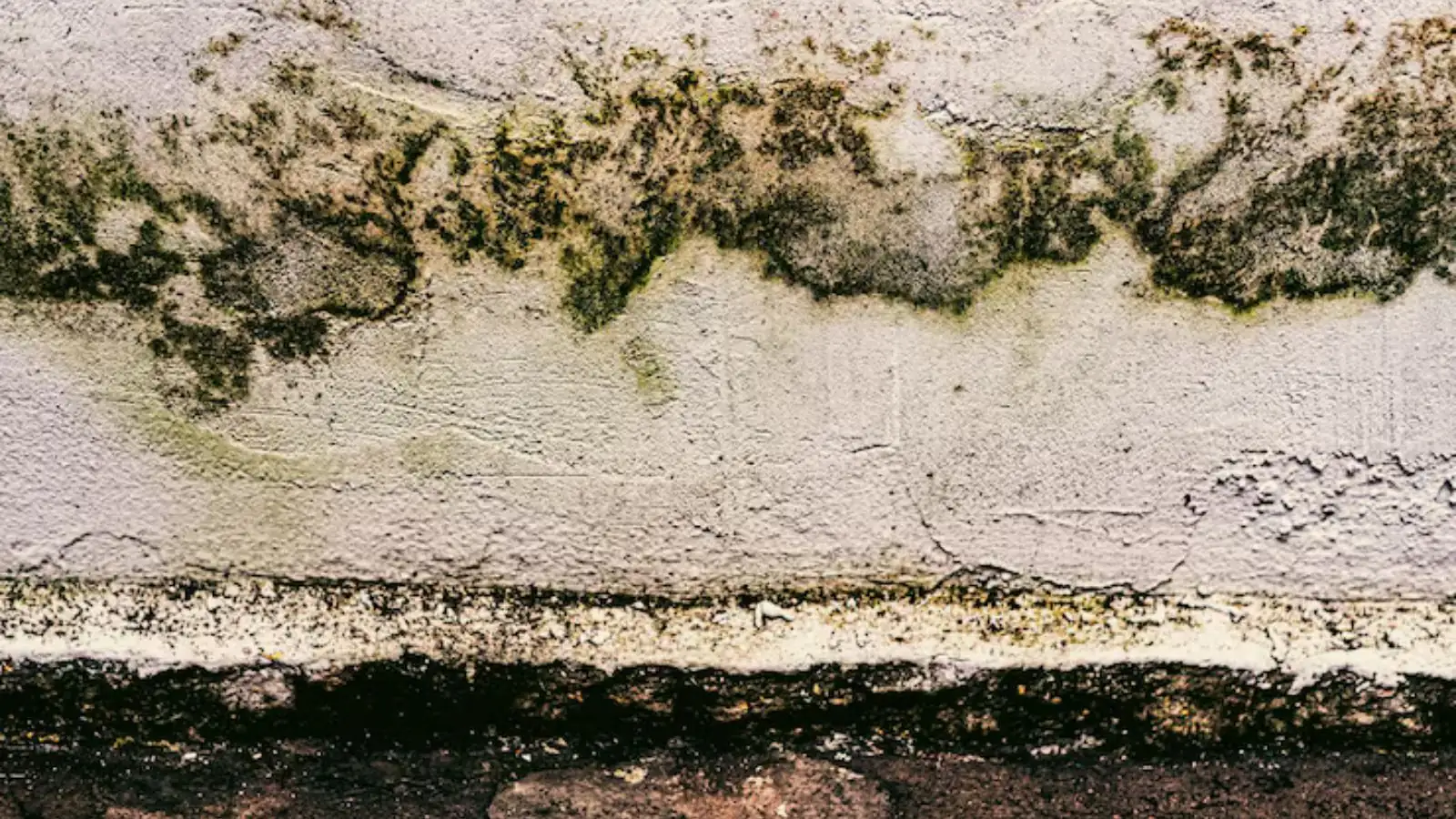
Mold remediation is the controlled removal of mold-contaminated materials and the cleaning of affected surfaces, done after the moisture source has been fixed. If you have found mold in your Seaford, NY home, the first rule is to leave it alone and keep the room closed. Scrubbing it or pointing a fan at it can spread spores to clean areas of the house.
Mold needs moisture to grow, and the usual cause is water damage that stayed wet. Write down where the growth is, how large it looks, and what leak or flood came before it. That record helps every professional who looks at it afterward.
Why does my house smell musty and why do stains keep coming back?
A musty smell that returns after you clean, dark spots on a wall that seem to come back, or a ceiling stain that grows after rain all point to moisture you cannot see. Mold is a symptom of a wet material, not the original problem. The smell tells you there is something damp, and the stain tells you roughly where.
That is where mold remediation begins. It is the controlled removal of mold-damaged materials under containment, paired with finding and drying the hidden moisture. Without the second part, the first part is only cosmetic.
Where mold shows up after water damage
Mold tends to appear in materials that stay wet for more than a few days and have little air movement. That includes the back of drywall, the underside of carpet and pad, the bottom of wall studs, attic sheathing and the insulation in a closed cavity. A basement corner behind stored boxes is a classic spot.
It does not always look like what people expect. Growth can be black, green, white or gray, fuzzy or flat, and color alone tells you nothing about what kind of mold it is. Only laboratory testing identifies species, and in most homes identifying the species does not change how the job is done.
- Behind baseboards and under wet carpet after a leak
- On the underside of ceiling drywall below a roof or bathroom leak
- In wall cavities after a pipe leak or washing machine overflow
- On joists and subfloor in a damp crawl space
- On basement walls and stored items after seepage or flooding
Seen or smelled mold and not sure what to do next? Call and describe where it is and how big the area looks. We will explain the steps and the rules before anything is touched.
Call (516) 845-9582Testing and inspection before any removal
Good mold work begins with an inspection, not demolition. A licensed mold assessor walks the property, looks for visible growth, traces the moisture source, and uses a moisture meter and thermal imaging camera to check hidden areas. The assessor writes a mold remediation protocol that sets out what is to be removed and how the work is contained.
Sampling is an optional tool. Air samples and surface samples can show how much mold is present and whether it is concentrated in one area, but they are a snapshot, and results vary with weather and time of day. Before spending on tests, ask the assessor what question the test will answer.
New York's licensing rules for mold work
New York regulates mold work under Labor Law Article 32. It is unlawful to work as a mold assessor, mold remediation contractor or abatement worker, or to advertise as one, without a license from the New York State Department of Labor. The licensing program has been in effect since January 1, 2016.
A mold project is defined as more than 10 square feet of mold. For those projects the state requires an independent assessment before work, and a post-remediation assessment after it. The same person or company may not assess and remediate the same property, so you will hire two separate companies. Ask to see each license, and check the Department of Labor's website for current rules.
Who is exempt, and who is not
The law has exemptions. An owner of residential property may do mold work on their own property, and the owner or employees of a building with four or fewer units are also exempt. Owners and managing-agent staff of larger or commercial properties can also be exempt, but not if they are doing the work for the public as a business. Government units are exempt as well.
Exempt does not mean easy. Even if you may legally remove it yourself, containment and clean-up matter. If you rent, your landlord may have separate duties, and the state's warranty of habitability in Real Property Law section 235-b is worth reading. A tenant who is unsure should ask the landlord in writing and keep a copy.
The remediation process, step by step
A well-run job follows the written protocol. The moisture source is stopped and the area is dried first, because removing mold from a wet building only invites regrowth. Then the work area is sealed with plastic sheeting and kept under negative air pressure, which means HEPA air scrubbers pull air out of the room through filters so it does not drift into the rest of the house.
Workers wear protective equipment. Porous materials with growth, such as drywall, insulation and carpet, are cut out, bagged and removed. Wood framing is cleaned by HEPA vacuuming, damp wiping and sanding or wire brushing where the assessor specifies. Air movers and LGR dehumidifiers then dry what remains, and the area is cleaned again before the post-remediation assessment.
Industry standards you can ask about: S520 and S500
The published industry standard for mold work is ANSI/IICRC S520, which sets out how to assess and control mold in buildings. The water standard that comes before it is ANSI/IICRC S500, which covers how water damage is dried and documented. Both are published guidelines, not laws, and they sit alongside New York's licensing rules.
Ask any company whether its crews follow S520 and S500 and how they apply them to your job. A good answer talks about containment, negative air, moisture readings and documentation. A vague answer about special sprays and chemical fogging is a reason to ask more questions.
Remediation options compared
The right approach depends on the size of the growth and how long the material was wet. The table sets out the usual paths.
| Situation | Typical path | What to weigh |
|---|---|---|
| Small spot, 10 square feet or less, owner-occupied | Fix the moisture, clean or remove the material with protection | Exempt owners may do it, but containment still matters |
| More than 10 square feet in a home | Licensed assessor, protocol, licensed remediator, post-remediation check | Two separate companies required |
| Mold on wet drywall or carpet | Remove and replace the porous material | Cleaning rarely reaches growth inside the material |
| Mold on structural wood | HEPA vacuum, wipe and sand under containment | Deep rot may call for carpentry |
| Hidden growth suspected | Moisture mapping, thermal imaging, then limited opening | Ask what question testing will answer |
What sets the cost of mold remediation
Several factors move the price. The size of the affected area and how many rooms are involved come first, followed by the materials that must be removed and whether they are drywall, plaster, framing or insulation. Containment, negative air machines and HEPA filtration add equipment days, and the assessor's fees and any lab work are billed separately from the remediator's.
Water damage that caused the mold may also need drying, which is its own line of work, and the rebuild after removal is another. Scope and price are explained before work starts, and a call to the dispatch line gets you a real number once the protocol is known.
Mold and your insurance policy
Policies treat mold differently. Mold that follows a sudden and accidental water loss is sometimes covered in part, while mold from long-term leaks, humidity or neglect often is not. Many policies set a limit on mold coverage, and flood is usually excluded. The New York State Department of Financial Services says a typical homeowners or renters policy does not cover flood.
Check your policy and ask your insurer what applies, in writing if you can. Photograph the growth before anything is touched, and keep the assessor's report and protocol. Do not make permanent repairs until your insurer has inspected. We cannot promise any claim outcome.
What we do not do
We do not diagnose illness, and we cannot tell you whether mold is affecting your family. Questions about symptoms belong to a physician. We also do not offer chemical fogging or paint-over products as a replacement for removal, and we do not fix the plumbing or roof that caused the moisture.
Removing mold does not make a house immune to it. If the building gets wet again, growth can return, so source control and drying are the real protections. Our structural drying page explains how we confirm a building is dry, and our water extraction page covers the first stage of a flood or leak.
Mold help in Seaford and nearby towns
The Nassau County Hazard Mitigation Plan rates flooding as highly likely, and Seaford saw canal overflows in Hurricane Irene in 2011, per the National Weather Service. If your home took on floodwater, check the FEMA flood map for your address, dry the structure promptly, and ask the Town of Hempstead Department of Buildings whether the rebuild needs a permit.
We serve Seaford and nearby towns. See the service area page, or contact us to describe the problem. For a basement, our basement water damage page covers the cleanup that often comes first.
Frequently asked questions
Why does my house smell musty even when I can't see any mold?
A musty smell usually means a material is damp somewhere you cannot see, such as inside a wall, under flooring or in a crawl space. A moisture meter and thermal imaging camera can find it without opening everything. Fix the moisture first, then decide whether mold work is needed.
Do I need a licensed professional to remove mold in New York?
For a mold project over 10 square feet, yes. Under Labor Law Article 32 the assessor and the remediation contractor must each be licensed by the state Department of Labor, and they must be separate companies. Owners of their own residential property are exempt for work on that property.
Can I get a clearance report for selling my home or a loan?
A post-remediation assessment by a licensed assessor produces a written report on whether the work area passed. Many sellers, buyers and lenders ask for that document. What a buyer or lender accepts is their own decision, so ask them what they require before you start.
Is bleach enough to kill mold on drywall?
No. Bleach does not reach the growth inside porous materials like drywall, and it adds moisture. Mold on drywall is normally cut out and replaced. On hard, non-porous surfaces, detergent and water with wiping may be enough for small areas.
Who pays for mold testing and cleanup?
Usually you do, unless your policy covers it. Coverage depends on the cause and the policy, and many policies limit mold. Ask your insurer before work starts. The assessor and remediator bill separately, so request both scopes in writing.
Do you handle mold after a leak or flood, or only the water?
We handle the water side, including extraction and drying, and we explain what New York's rules require for mold. Anything over 10 square feet has to go through licensed assessors and remediators. See our flood damage restoration page for the water work that comes first.
How do I know the mold problem is actually finished?
The licensed assessor's post-remediation check is the formal answer. It looks for visible growth and moisture, and may use sampling. Beyond that, keep humidity down, fix leaks quickly and watch for new stains or odors, since regrowth needs moisture.
Mold work starts with stopping the moisture and getting the right people involved. Call the dispatch line to talk through your situation, scope and price before work starts.
Call (516) 845-9582