
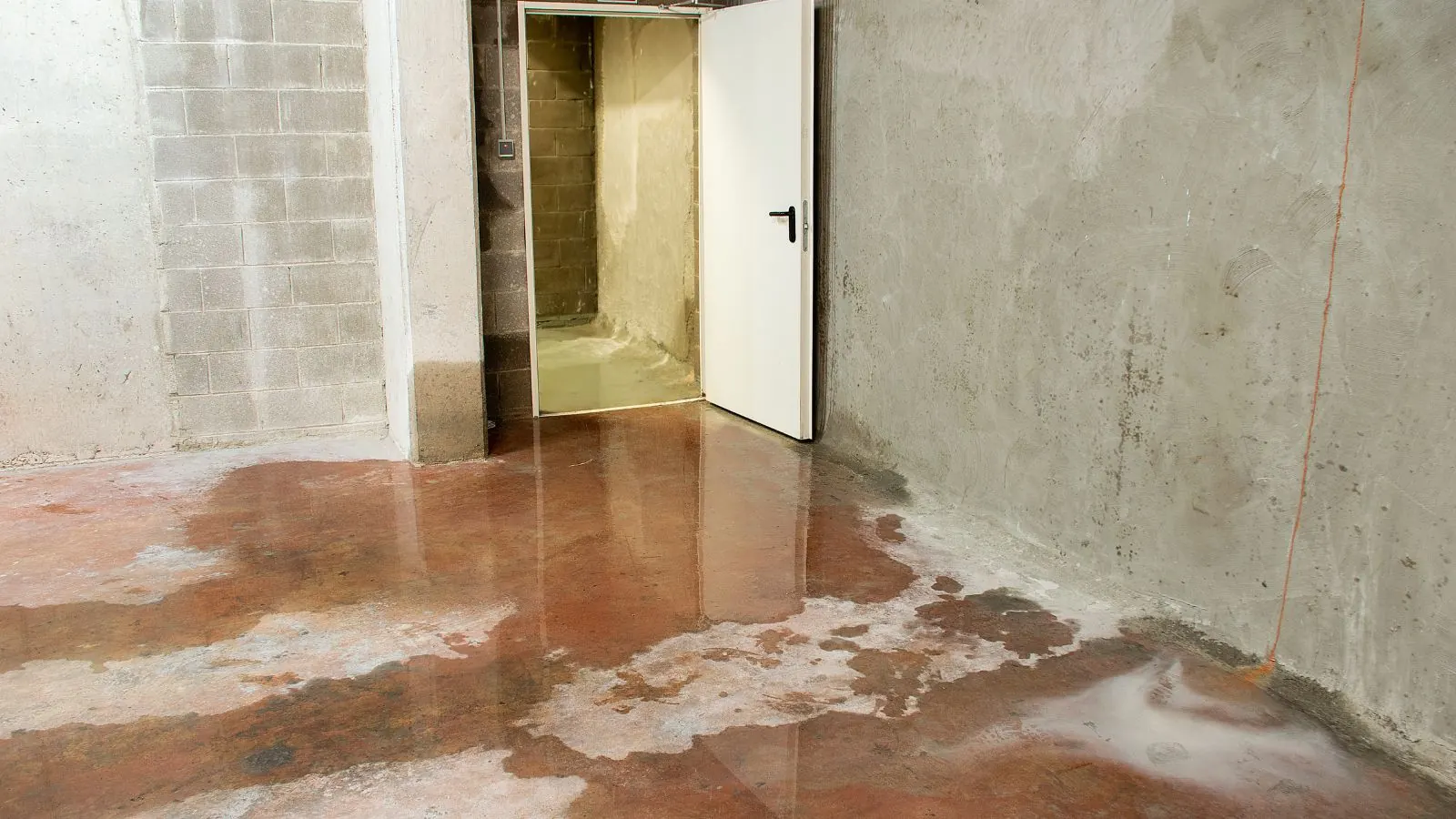
Basement water damage cleanup is the removal of standing water from a below-grade room, followed by drying, clearing of ruined contents and cleaning of what can be saved. If you have water in the basement in Seaford, NY, treat it as urgent. The line is open 24/7, and you can call at night or on a weekend and talk through what to do before help arrives.
Before you go downstairs, check for water near outlets, the electric panel or a furnace. Do not step into standing water if any of those are wet. Move valuables upstairs only if the stairs are dry and the water is not rising near cords.
When basement water is an emergency
Some basement water can wait a few hours. Other water cannot. Call right now if the water is deeper than a few inches, still rising, coming from a pipe, or mixed with sewage. Also call if your sump pump has stopped, the power is out in a storm, or the water is touching anything electrical.
Water under pressure from a supply line can fill a basement quickly, and groundwater pushing in through a floor crack or wall joint can keep rising for as long as the ground stays saturated. Our dispatch line works after hours and on weekends. We do not promise an arrival time, but we do start the plan on the first call.
Electrical and gas safety first
Water and electricity in a basement are a serious hazard. If the water reaches outlets, the electric panel, the furnace or the water heater controls, stay out of the room. Cut power at the main breaker only if the panel is dry and you can reach it without stepping in water.
If you cannot reach the panel safely, or you smell gas, see sparking or hear buzzing, leave and call 911 or your utility before you call the restoration line. A restoration crew cannot start pumping until the power risk is under control. If sewage is involved, treat it as contaminated and see our sewage backup cleanup page.
Water still rising or standing in the basement? Call the 24/7 dispatch line, tell us where it is coming from, and we will plan the pump-out and drying with you.
Call (516) 845-9582Where basement water comes from
Most basement water has one of a few sources, and knowing which one tells us what kind of drying to plan. A burst or leaking line gives clean Category 1 water at first, a washing machine or sump overflow can carry some contamination, and groundwater or floodwater is treated as Category 3.
- Sump pump failure, from a dead pump, a stuck float switch, a clogged discharge line or a power outage
- Groundwater seepage through floor cracks, the cove joint or foundation walls after heavy rain
- A burst or frozen pipe, or a failed water heater or washing machine hose
- A sewage backup through a floor drain, where Category 3 safety rules apply
- Rising surface water or tidal flooding entering through windows, doors or stairwells
What heavy rain and flood exposure mean for Seaford basements
The Nassau County Hazard Mitigation Plan rates flooding and coastal hazards as highly likely, meaning one or more events a year across the county. In August 2024, the National Weather Service warned of flash flooding on Long Island with rainfall rates of 1 to 3 inches an hour in parts of Nassau. If your basement takes on water in heavy rain, test your sump pump before a storm and keep the discharge line clear.
The Weather Service also reported canal overflows in Seaford during Hurricane Irene in 2011. Check the FEMA flood map for your address to see whether you sit in a mapped flood zone, and ask your insurer whether you carry flood coverage, since a standard homeowners policy typically does not.
How we pump out and dry a basement
We start with extraction. Submersible pumps and truck-mounted or portable extraction units pull standing water out, and a deep basement is drained in stages so the surrounding soil pressure does not push on the walls. See our page on water extraction for how that works in detail.
Next we find where the moisture went. A moisture meter and thermal imaging camera show wet drywall, framing, carpet and slab. Air movers, LGR dehumidifiers and, in a large space, desiccant units dry the basement over days, and we log readings against a dry reference as described in ANSI/IICRC S500. Ask any company whether its crews follow that standard. Our structural drying page covers the equipment.
Finished basements: what is saved and what is tossed
A finished basement holds more material for water to damage. Carpet and pad, drywall, baseboards, insulation and stored boxes all take on water, and the cleanup rules depend on the category. Clean-water losses allow more drying in place, while contaminated water means porous materials come out.
We separate contents into salvage, clean-and-dry, and discard piles, and we photograph everything for your insurer. Wet drywall is usually cut out a few inches above the waterline, and the stud cavity is dried before closing it up again. Our drywall repair and carpet restoration pages cover those materials.
Dry it, gut it, or monitor it
How much comes out depends on what the water was and how long it sat. This table is a starting point for the conversation.
Time matters in every row. Mold can start to grow on wet materials in a few days, so the faster the basement is dried, the fewer materials need to be removed.
| Situation | Typical response | Honest limit |
|---|---|---|
| Clean water, caught same day | Extract, dry in place, save most finishes | Some pad and baseboard may still go |
| Sump overflow or washing machine discharge | Extract, remove pad and low drywall, dry framing | Category 2 water limits what can be saved |
| Groundwater or floodwater | Remove porous materials, clean and dry the structure | Carpet and drywall are usually discarded |
| Sewage backup | Containment, removal, disinfection | Requires separate safety steps |
| Unfinished basement, slab only | Extract and run dehumidifiers | Concrete can hold moisture for days |
What sets the cost of basement cleanup
Cost depends on how much water there was, what category it fell into, how big the basement is, and how much of it is finished. A bare slab with a dehumidifier running costs less than a finished space with carpet, drywall and insulation to remove. Drying days and equipment count drive the daily charge, and a rebuild is separate from mitigation.
Contents handling, debris disposal and any mold concern add scope. Scope and price are explained before work starts, and a call to the dispatch line gets you a real number once we know what you are dealing with.
Insurance and basement water
Sudden and accidental damage, such as a burst pipe, is often covered. Gradual seepage is often not, and flood is usually excluded. The New York State Department of Financial Services says a typical homeowners or renters policy does not cover flood, and sewer or drain backup usually needs an added endorsement.
Check your policy and ask your insurer what applies before you rely on it. Take photos before cleanup, file as soon as you can, and avoid permanent repairs until the insurer has inspected. We cannot promise any claim outcome.
What we do not do
Restoration deals with the water that is already in the house. It does not stop water from coming in again, and we do not install sump pumps, drainage systems or foundation sealing. If the cause is a failed pump, a plumber can replace it, and for seepage a waterproofing contractor handles the fix.
We also do not make local code calls. Ask the Town of Hempstead Department of Buildings whether a rebuild needs a permit. Our flood damage restoration page covers larger rising-water events.
Basement cleanup in Seaford and nearby towns
We serve Seaford and nearby towns around the clock. See our service area page for the towns we cover, or reach out here to describe the basement before you call.
Frequently asked questions
Do you handle basement flooding emergencies at night or on weekends in Seaford?
Yes. The dispatch line is open 24/7, including nights, weekends and holidays. We do not promise a specific arrival time. Tell the dispatcher about water depth, the source and any electrical concerns so the crew can plan the right equipment.
Will water damage restoration stop my basement from leaking again?
No. Restoration removes and dries the water already inside. Stopping repeat seepage is a job for a waterproofing contractor, and a failed sump pump is replaced by a licensed plumber. We can tell you what we see and share moisture readings with them.
How long does it take to dry a wet basement?
A bare slab can dry in a few days. A finished basement with carpet, drywall and insulation usually takes longer, often a week or more, especially after groundwater. We log readings at each visit and stop equipment only when materials reach a dry reference.
Is it safe to go into my flooded basement?
Not until the power risk is clear. If water is near outlets, the panel or appliances, stay out and call your utility or 911 first. Floodwater and sewage can also be contaminated, so avoid contact and keep children and pets upstairs.
Should I throw out everything that got wet?
Not at once. Items that touched clean water can sometimes be dried and kept. Anything soaked by sewage or floodwater, and porous items like carpet and cardboard, are usually discarded. We sort contents and photograph them for your insurer.
Can I use my own wet vac?
For a small amount of clean water, a wet vac on a dry, grounded outlet can help. For more than a puddle, use a professional pump and extraction unit, because the water is deeper and the soaked material needs drying too. See water extraction for the full approach.
A wet basement spreads into framing, storage and the floors above. Call the line, get a scope and a real price before work starts, and let us start the drying.
Call (516) 845-9582