
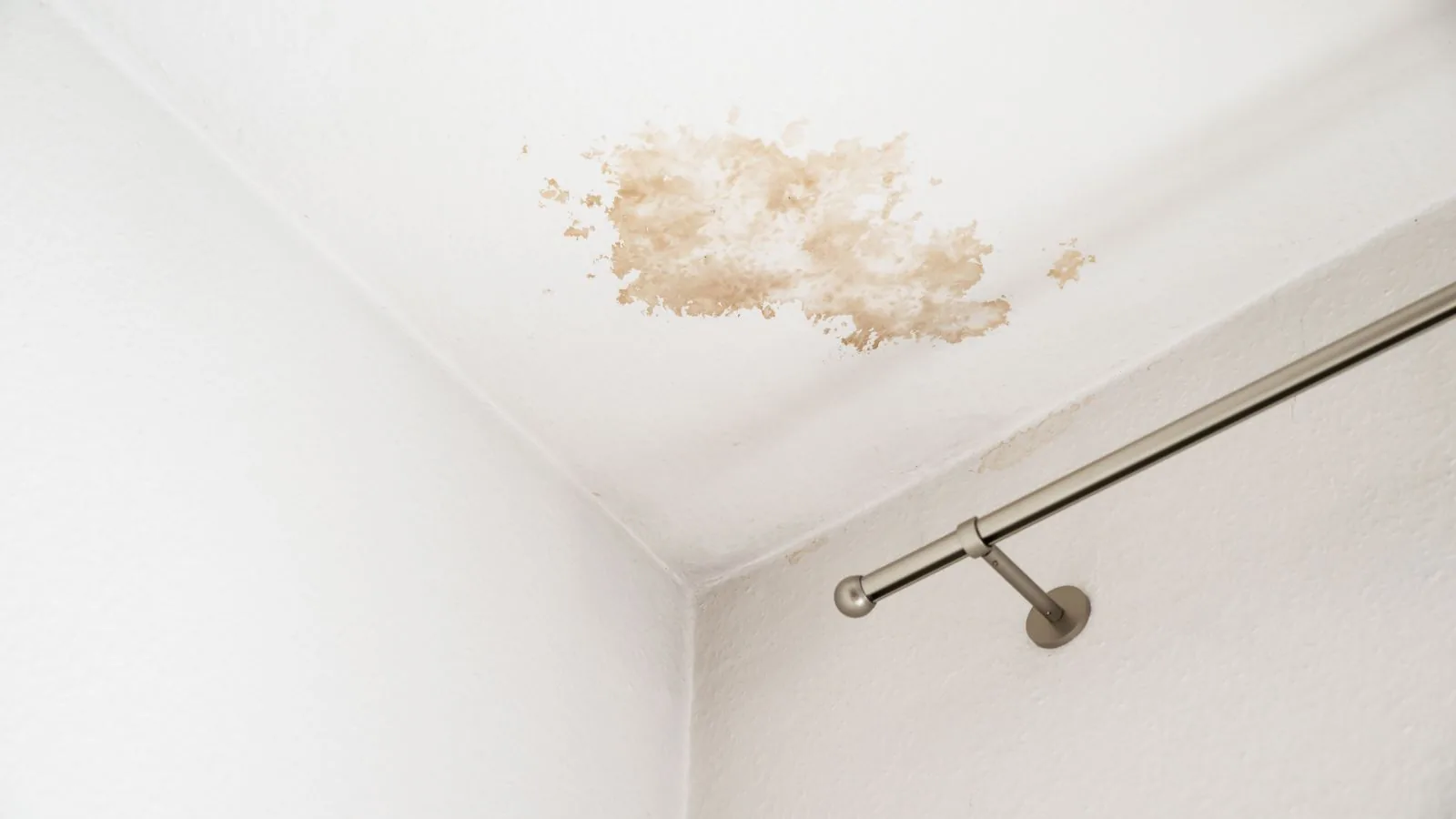
If water is coming into a rental in Seaford, NY, the short answer is this: protect yourself and the property first, then put the problem in writing to your landlord the same day. Shut off the water or the appliance if you can reach the valve safely, move belongings out of the wet zone, and photograph everything before it is touched.
New York law gives tenants a warranty of habitability and gives landlords a duty to repair. How fast a repair happens, and who pays for what, depends on the cause, the lease, and what the policies say. The sections below sort out the steps.
The legal reference for most of what follows is New York Real Property Law section 235-b, the warranty of habitability, which the New York State Senate publishes in full.
Step one: stop the water and make it safe
Find the shutoff. A supply line under a sink or behind a toilet has a small valve you turn clockwise. A washing machine or dishwasher has its own valve behind it. If you cannot find the source or the water is falling from a ceiling, the main shutoff for the unit is usually where the water line enters the building.
If water is near outlets, a panel or a light fixture, stay out of the room and call the utility or 911 before anything else. Cut power only if the panel is dry and you can reach it safely. A burst line or an overhead leak is exactly the situation where water extraction crews can start removing standing water once it is safe to enter.
Step two: give written notice
The phone call is fine for urgency. A written message is what protects you. Send a text, email or letter that states the date, the location of the water, the likely source, what you did to stop it, and that you are asking for repair. Keep a copy.
The New York Attorney General's Tenants' Rights Guide ties rent reduction and other remedies to notice, so the landlord must know about the problem for the clock to start running. The same guide notes that a landlord may enter without advance notice in an emergency such as a leak, so expect someone to come in quickly if water is active. Photograph the damage before they arrive and again after.
Standing water in a rental and the landlord not answering yet? Call the 24/7 line and describe what you see, and dispatch will tell you what a crew can do.
Call (516) 845-9582What the warranty of habitability says
Real Property Law section 235-b says that in every residential lease the landlord is deemed to warrant that the premises are fit for human habitation and for the uses reasonably intended by the parties. The statute adds that the tenant must not be subjected to conditions that are dangerous, hazardous or detrimental to life, health or safety. A lease cannot waive this warranty, and a clause that tries to do so is void.
The same law excepts conditions caused by the tenant. A burst supply line in the wall is not a tenant problem. An overflowing tub left running might be. The Attorney General's guide describes the warranty and says repairs should be made within a reasonable time. This is general information and not legal advice, so for a dispute, check with a tenants' rights organization or an attorney.
Who pays for what
| Item | Usually handled by | Notes |
|---|---|---|
| Stopping the leak at the building | Landlord | Plumbing in walls, roofs and shared lines are the owner's responsibility |
| Drying the structure | Landlord or the landlord's insurer | Moisture mapping, extraction and dehumidification of floors, walls and ceilings |
| Repairs to walls, floors and ceilings | Landlord | Timing depends on the extent of damage and insurer inspection |
| Tenant belongings | Tenant's renters policy | The landlord's policy generally does not cover your possessions |
| Temporary housing | Depends on lease and policy | Check loss-of-use coverage on a renters policy |
| Damage caused by the tenant | Tenant | An overflow or an appliance left running may fall here |
Renters insurance basics
A renters policy covers your belongings, and often some additional living expense if the unit cannot be lived in. Sudden and accidental damage, such as a pipe that bursts, is often covered. Gradual leaks and neglected maintenance often are not. Check your policy before you assume.
Flood is a separate matter. The New York Department of Financial Services says the typical homeowners or renter's policy does not cover flood damage, and coverage may come through a water back-up endorsement or a National Flood Insurance Program policy. Ask your insurer what yours includes. If you have a claim, file as soon as possible, and document the damage before cleanup.
Documenting the loss
Moisture can hide in walls and under flooring after the visible water is gone. A written moisture reading from a meter gives you a record of when the unit was wet and when it was dry. Structural drying and dehumidification crews log those readings daily.
- Take wide photos of each room and close photos of the source and each damaged item, with the date visible if you can.
- Make a list of damaged belongings with approximate age and where they were bought.
- Keep every text, email and letter with the landlord or property manager.
- Keep receipts for hotel stays, meals and emergency purchases.
- Do not throw away damaged items until your insurer has seen them or approved disposal.
- Ask the landlord to confirm in writing the date a crew will inspect or dry the unit.
Who calls whom
Sometimes a landlord is slow. The Attorney General's guide says a tenant who gives notice may have rent-related remedies, and in a case where damage not caused by the tenant leaves the unit uninhabitable, a tenant may be able to vacate. Those are legal questions where specifics matter, so get advice before withholding rent.
- Tenant stops the water if safe and calls the utility or 911 for any electrical or gas risk.
- Tenant notifies the landlord or property manager in writing the same day.
- Tenant calls the renters insurer to open a claim for belongings.
- Landlord notifies the building insurer and arranges extraction and drying.
- Landlord or management arranges the repair trades once the structure is dry.
- Tenant confirms in writing when the work will be done and what rent adjustments, if any, are agreed.
If you are the landlord
Respond the same day, even if it is only to confirm you got the message. A prompt written reply, a plan to have the water removed, and a date for repairs limit disputes. Avoid telling a tenant to handle the structure themselves, since drying a wall or ceiling requires equipment and records.
Call your insurer early, because many policies want to see damage before permanent repairs. If the loss is in a multi-unit building, a commercial water damage restoration crew can handle several apartments and common areas in one visit, and a written scope helps both the insurer and the tenants.
Honest limits
A restoration company dries structures and cleans up. It does not decide who is at fault, give legal advice, or settle a dispute between a tenant and a landlord. It also does not repair the plumbing, roof or appliance that caused the leak.
What it can do is document moisture, remove water, dry the unit and give both sides a written scope. That paperwork is often the most useful thing in a rental dispute.
What Seaford renters and landlords should check locally
Census QuickFacts reports an owner-occupied rate of 92.9 percent in Seaford, which means rentals are a small share of homes and many landlords are individual owners rather than large management companies. If yours is a small landlord, send a clear written notice and a follow-up, since there may be no maintenance desk.
The same Census data lists median gross rent at $2,489 for 2020 to 2024. At that level, a unit that is wet for weeks has real financial stakes for both sides, so keep dates on everything. For nearby towns where help is available, see the service area page.
Frequently asked questions
Do I have to tell my landlord in writing?
A call is fine for urgency, but written notice protects you. New York's Attorney General guide ties rent remedies to notice, so you want proof of the date and what you reported. A text or email with photos is enough.
Can I hire a restoration company myself in a rental?
In an emergency you can ask for water removal to limit damage, but tell the landlord the same day. The structure belongs to the owner, and their insurer may want to approve the work. Ask whoever hires the crew to get the scope in writing.
Does my landlord's insurance cover my belongings?
Generally no. The building owner's policy covers the building, and your belongings fall under a renters policy. Check your policy for sudden and accidental water damage and ask your insurer about loss-of-use if you must leave.
Is flood covered under a renters policy?
Usually not. The New York Department of Financial Services says a typical homeowners or renter's policy does not cover flood. A separate flood policy may exist, so ask your insurer what yours includes.
What if the landlord does nothing?
Keep sending written notice, keep dated photos, and look up the warranty of habitability in RPL 235-b and the Attorney General's Tenants' Rights Guide. For specific steps such as rent reduction, speak with a tenants' rights organization or an attorney.
Where do I find help with a rental leak near Seaford?
Call the 24/7 dispatch line for extraction and drying if water is standing, and call the Town of Hempstead Department of Buildings if you believe a code issue is involved. For electrical or gas risks, contact the utility or 911 first.
Whether the call comes from the tenant or the property owner, the dispatch line is open around the clock. Scope and price are explained before work starts.
Call (516) 845-9582