
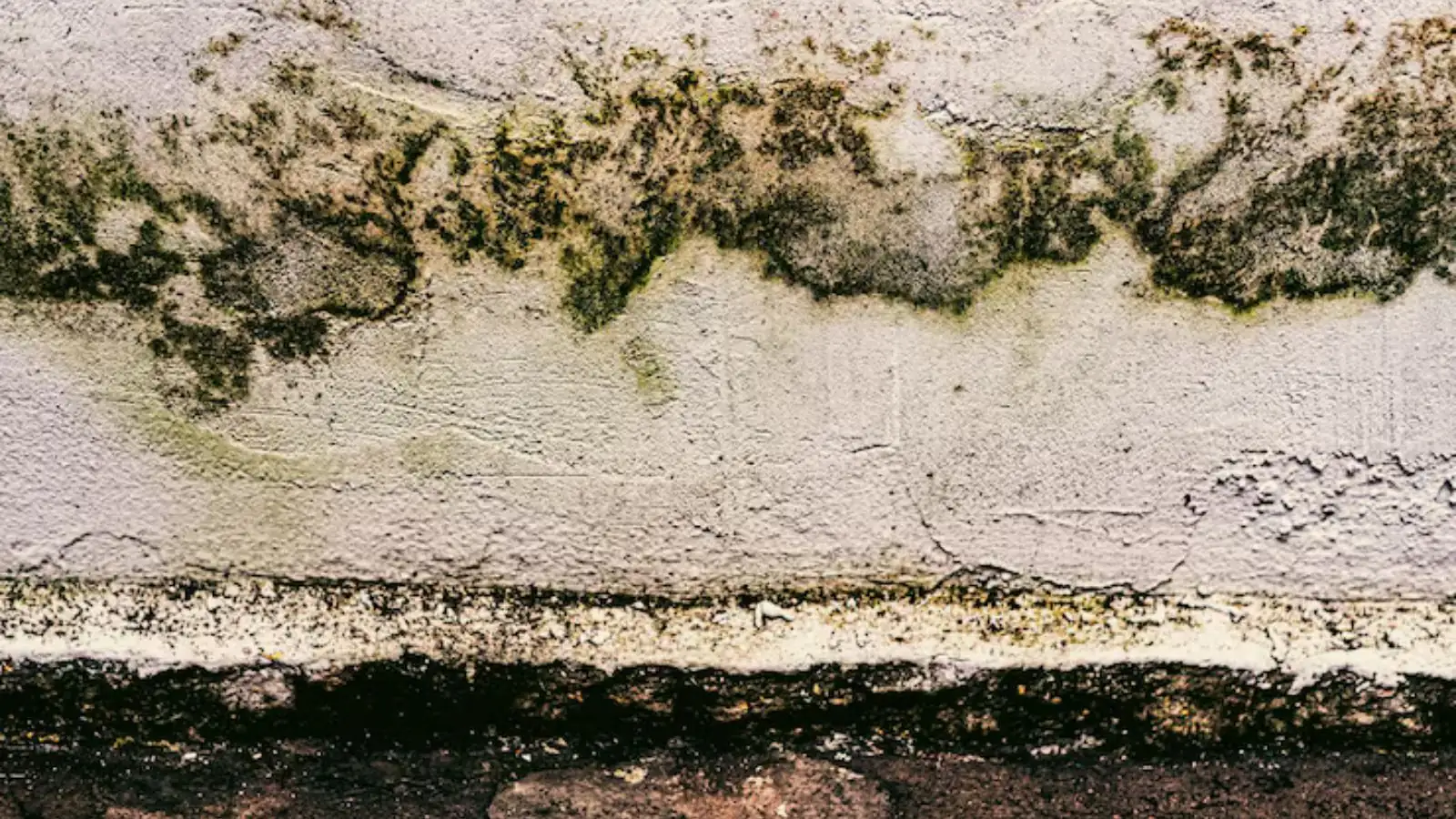
Professional mold removal in a Seaford, NY basement is a sequence, and the order matters more than any single product. The crew finds and stops the moisture, seals off the work area, runs air filtration, tears out and bags the materials that cannot be cleaned, cleans what stays, dries the space, and then an independent party confirms the result.
The standard most professionals reference is ANSI/IICRC S520, the published guideline for mold remediation. You can ask any company whether its crews follow it. The rest of this guide shows what each stage looks like so you can read a proposal with confidence.
Stage 1: Stop the water before touching the mold
Mold needs moisture to keep growing, so removal that skips the water source is wasted effort. A crew starts with a moisture meter on the walls, a thermal imaging camera across the ceiling and floor, and a look at where water is entering. Common culprits in a basement are a failed sump pump, a leaking foundation crack, a dripping supply line, or a dryer vent that dumps humid air indoors.
Stopping the source is usually a plumber's, roofer's or waterproofing contractor's job, not the remediation crew's. If the cause is still active, the rest of the process will be repeated later. If a recent leak left standing water, basement water damage cleanup comes first, because extraction and drying have to happen before any removal plan makes sense.
Stage 2: Assessment, a written protocol and the licensing rule
New York treats this work as a regulated trade. Under Labor Law Article 32, a person cannot assess or remediate mold without the matching state license, and licensing has been in effect since January 1, 2016. A project over 10 square feet counts as a mold project, and the person who assesses the property may not also be the one who remediates it.
In practice that means an independent licensed mold assessor writes the protocol first. It lists the affected areas, what must be removed, how the area will be contained, and what the clearance test must show. Homeowners working on their own residence are exempt from the licensing rule, but a contractor you hire is not. Verify the license with the New York State Department of Labor before you sign.
Found mold in your basement and want to know what a proper removal job would involve? Call the 24/7 line and talk through your situation with dispatch.
Call (516) 845-9582Stage 3: Containment and negative air
Disturbing mold sends spores into the air, so the work area is isolated before anything is removed. Crews hang 6 mil polyethylene sheeting from floor to ceiling, seal the seams with tape, and build a zippered entry. Return air vents and supply registers inside the zone are covered so the HVAC system cannot spread dust to the floors above.
A HEPA air scrubber then pulls air out of the zone, which keeps the pressure lower inside than outside. Air drifts into the work area through gaps instead of out of it. A true HEPA filter captures 99.97 percent of particles at 0.3 microns, which is why it is the specified filter type for this work. A box fan or a household air purifier does not do the same job.
Stage 4: Removing porous materials
Mold roots into materials that absorb water. Drywall, ceiling tile, insulation, carpet, carpet pad, and unsealed particleboard cabinets are typically cut out and bagged rather than scrubbed. Crews wear fitted respirators and disposable suits, and they wet-mist surfaces lightly before cutting to keep dust down.
Debris goes into 6 mil bags, is wiped down at the containment exit, and leaves the house without dragging through living areas. Wall and drywall water damage repair is the rebuild stage that follows, not part of the removal itself. Cutting beyond the affected area is common, often 12 to 24 inches past visible growth, because moisture travels farther than the stain suggests.
Stage 5: Cleaning the materials that stay
Studs, joists, concrete walls and the slab are semi-porous or non-porous and can usually be cleaned. The standard sequence is a HEPA vacuum first, then a damp wipe or controlled abrasion on wood framing, then a second HEPA vacuum pass. Wire brushing or sanding wood surfaces removes surface growth, and some jobs include sealing the cleaned wood afterward.
Cleaning order runs from top to bottom so settled dust is not dropped onto finished surfaces. Fogging a disinfectant over mold without removing it is not accepted practice under S520. If a proposal describes only spraying a product, ask what is being removed and what the air scrubber is doing.
Stage 6: Drying the basement afterward
Removal and cleaning do not finish the job until the space is dry. Crews place LGR dehumidifiers and air movers inside the containment area and log readings daily with a moisture meter. Wood framing is generally dried to the level of an unaffected reference piece, and the space is held at a stable relative humidity.
Drying usually takes several days, longer if concrete is saturated. This is the same discipline described on the structural drying and dehumidification page, applied inside a sealed work zone. Do not skip it to save a day, because wet framing is how a second round of growth starts.
Stage 7: Independent clearance before anything is rebuilt
After the cleaning, the independent assessor returns for a post-remediation check. This includes a visual inspection, moisture readings, and usually air or surface sampling compared against the baseline. New York requires a post-remediation assessment, and it is the part that keeps the remediation company honest because it does not work for them.
Only after the assessor passes the area should containment come down. The final report is worth keeping with your closing documents if you ever sell. Clearance is a statement about conditions on that day. It is not a promise about the future, and any honest company will say so.
The process at a glance
| Stage | What happens | What you should see on paper |
|---|---|---|
| Moisture source | Leak, seepage or humidity cause located and stopped | Written cause and who is fixing it |
| Assessment | Independent licensed assessor inspects and writes a protocol | Protocol with areas, methods and clearance criteria |
| Containment | Poly sheeting, sealed vents, HEPA air scrubber | Containment plan and scrubber placement |
| Removal | Porous materials cut out, bagged and removed | List of materials and rough quantities |
| Cleaning | HEPA vacuum and damp wipe of remaining surfaces | Statement of methods per surface |
| Drying | LGR dehumidifiers and air movers, daily readings | Moisture log with start and finish readings |
| Clearance | Independent post-remediation assessment | Written clearance report |
A checklist to read before you sign
- Ask for the New York State mold license number of the remediation contractor and verify it with the Department of Labor.
- Confirm that the assessor is a separate company from the remediator.
- Ask whether the crew follows ANSI/IICRC S520 and how containment will be built.
- Get the list of materials to be removed in writing, with areas shown on a sketch.
- Ask how drying will be monitored and who signs off on the readings.
- Confirm who handles the rebuild and whether it is included or priced separately.
- Ask for the scope and price explained before work starts, in plain words you can compare with another bid.
What this process does not cover
Removal cannot fix a foundation crack, a poor grade outside, or a failed sump pump. Those are separate trades, and you may need all of them. If the same wall keeps getting wet, the next step is a source repair, not another cleaning.
This guide also does not answer health questions. If anyone in the home has symptoms or concerns, a physician is the right person to ask. Insurance coverage depends on how the water got in. Sudden and accidental damage is often covered while gradual leaks often are not, so check your policy and ask your insurer before work begins.
When a small patch is a different job
Under 10 square feet of surface growth, the New York licensing rule does not classify the work as a mold project. That does not mean every small patch is simple. A patch that returns after cleaning usually points to a hidden moisture source behind it.
If you are unsure of the size or cause, a licensed assessor can measure it before you commit to a method. The full list of mold remediation work and what it covers is on the service page.
What Seaford homeowners should check locally
The National Weather Service Freeport impacts sheet records canal overflows in Seaford during Hurricane Irene on August 28, 2011. If your basement took water in a storm like that and was never opened up and dried, have a moisture reading taken behind finished walls now rather than waiting for a smell.
Rebuilding after removal can involve permits. Ask the Town of Hempstead Department of Buildings what applies to your address before the rebuild is priced. For a view of the towns served around Seaford, see the service area page.
Frequently asked questions
Can I remove basement mold myself?
In your own residence you are exempt from the New York licensing rule, so yes, it is legal. The practical questions are containment, protective gear and what you do with the debris. If the area is over 10 square feet or you do not know the moisture source, an assessor's protocol is worth the cost.
Does bleach remove mold from a basement wall?
Bleach does not penetrate porous materials such as drywall or wood, so the growth underneath can remain. S520 practice is physical removal and HEPA cleaning, not surface fogging. If the material is hidden or soft, it usually has to be cut out.
How long does professional basement mold removal take?
Small jobs may take two to three days, and larger basements take longer once drying and clearance are included. The biggest variables are how much material comes out, how wet the concrete and framing are, and when the assessor can schedule clearance. Get the schedule in writing.
Who does the clearance test?
An independent New York licensed mold assessor, not the company that did the removal. The state rule bars one party from assessing and remediating the same property. Ask for the assessor's name before the job starts.
Is air testing enough without a removal plan?
No. A sample tells you what was in the air at one moment, not where the moisture is or what is wet behind the walls. A protocol built from a visual inspection, moisture mapping and sampling gives the remediator a plan to follow.
Should a Seaford basement be checked after a big storm even if it looks dry?
Yes, if water reached the floor or the walls, even briefly. The NWS recorded canal overflows in Seaford during Hurricane Irene in 2011. A moisture meter and a thermal imaging scan can find damp drywall, insulation or baseboards that look fine on the surface.
Ready to get the moisture and the mold dealt with in the right order? Call the dispatch line and we will explain scope and price before any work begins.
Call (516) 845-9582