
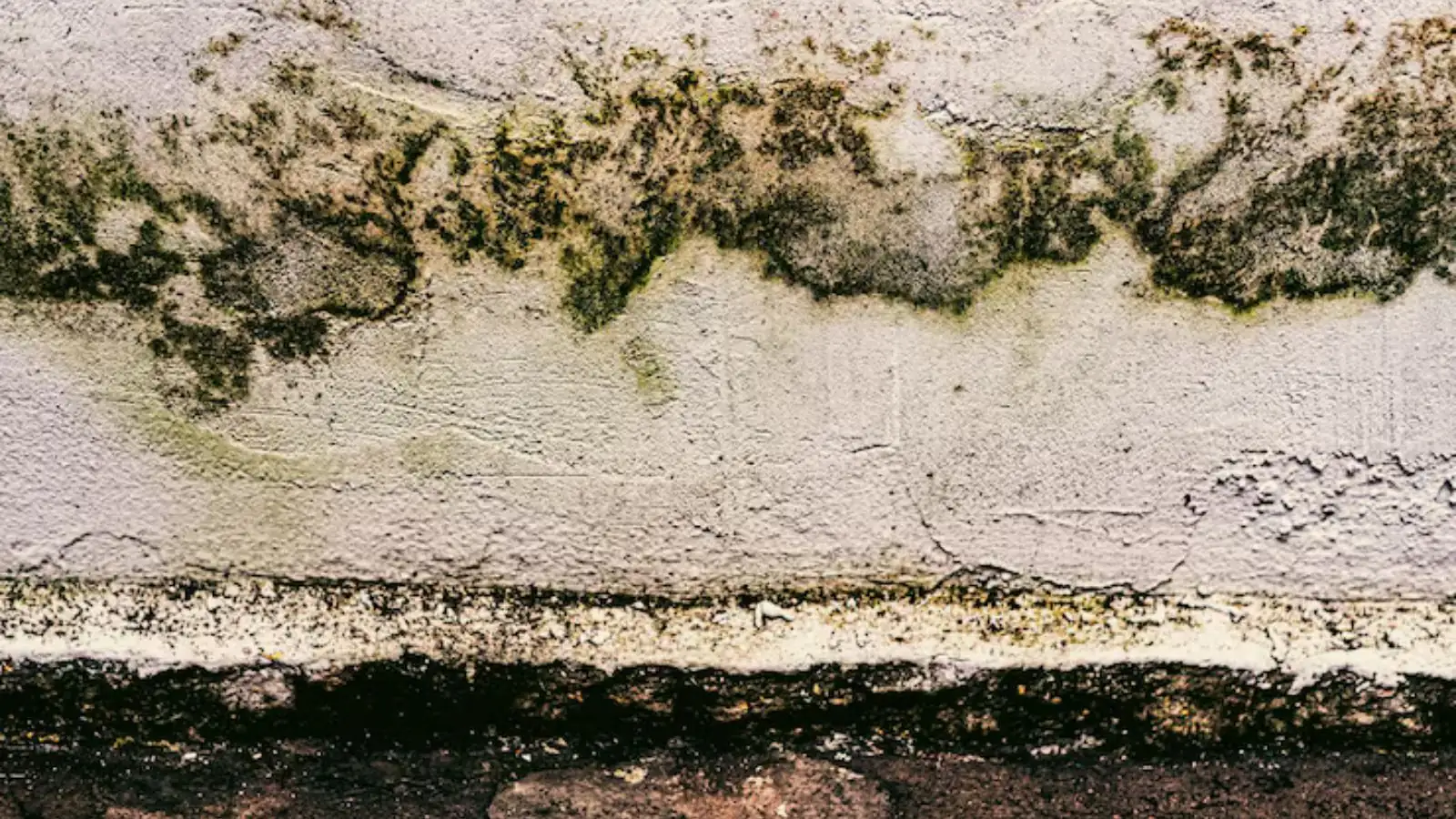
Whether you can handle basement mold yourself depends on how much there is, what it grows on and whether the basement still gets wet. In Seaford, NY the line to know is 10 square feet, where New York treats mold work as a regulated project. Under it on a hard surface, careful DIY cleaning is reasonable. Over it, or on soaked drywall, the job usually calls for licensed pros.
Before any of that, find and stop the water. Mold needs moisture, and cleaning without a fix is a short-term result.
Professional mold work follows ANSI/IICRC S520, and New York's Department of Labor licenses mold assessors and remediators under Labor Law Article 32 for projects over 10 square feet, with exemptions for owners of their own residential property.
Step zero: fix the moisture first
Walk the basement after a rain and look for the entry. Common sources are a cracked wall or floor joint, a failed sump pump, a gutter that dumps beside the foundation, a leaking pipe and condensation on cold surfaces in summer. Dry weeks make the source harder to see, so look for efflorescence, a white powder on masonry, and rust at the base of metal.
Run a dehumidifier and open a moisture meter log if you own a meter. If there is standing water or soaked material, start with water extraction and drying before anything else.
The 10 square foot rule and who it applies to
Under New York Labor Law Article 32, a mold project is more than 10 square feet. Licensed assessors and remediators handle those projects, and the same company may not do both. The Department of Labor (DOL) publishes the rules on its mold program pages.
The law also exempts the owner of a residential property from the licensing requirement when working on their own home. That means a Seaford homeowner can legally do the work personally. It does not extend to a friend, a handyman or a contractor you hire, who would need the proper license.
Past the point of DIY? Call the dispatch line and ask how licensed mold work gets started.
Call (516) 845-9582A decision guide: DIY or hire
| Your situation | Reasonable path | Why |
|---|---|---|
| Under 10 square feet on concrete, block or sealed wood | DIY with protection, if the moisture is fixed | Hard surfaces can be cleaned and wiped |
| Any size on soaked drywall, insulation or carpet | Remove wet material or hire | Mold grows into porous material |
| Over 10 square feet | Hire a licensed assessor first | Regulated project under Article 32 |
| Growth you cannot see the end of | Hire an assessor | Hidden spread changes the scope |
| Mold near ductwork or the HVAC system | Hire | Spores can travel through the system |
| Water from sewage or floodwater | Hire | Contamination changes the plan |
| Someone in the household has health concerns | Ask a physician, consider hiring | Health questions belong to a doctor |
| You rent the home | Notify the landlord | The owner exemption belongs to the owner |
If you go the DIY route: protect yourself and the house
Use a fitted respirator rated for fine particles, gloves, eye protection and old clothes you can wash right away. Seal the basement door with plastic and tape, turn off the HVAC fan to that zone and open a window with a box fan blowing out if you can.
Do not mix cleaning products, especially anything containing bleach with ammonia. Dry-brushing or scraping a dusty surface throws spores into the air, so wet the surface lightly first.
How to clean hard surfaces
- Photograph the area and measure it, in square feet, before you touch it
- Remove stored items and bag anything porous that is moldy or soaked
- Vacuum loose growth with a HEPA vacuum, not a regular shop vac
- Scrub the surface with detergent and water, then wipe with clean damp rags
- Dry the area fully with a dehumidifier and a fan, and check for a return of damp
- Bag waste in sealed plastic and wash clothing separately
- Measure again over the next weeks, and call a pro if growth returns
Painting over mold with no cleaning or drying is not a fix. Neither is a spray that leaves the surface wet.
What not to DIY
- Drywall or insulation that has been wet for more than a day or two
- Anything over 10 square feet, unless you are the owner doing your own work and you understand the risks
- Mold inside wall cavities, ceilings or ductwork
- Any area touched by sewage, which needs the steps in sewage backup cleanup
- Basements still taking on water
Taking down wet drywall is a common homeowner step, but the cutting should be done wet-wiped and bagged. Our wall and drywall water damage repair page explains what is behind the board.
When you hire, what the process looks like
A licensed mold assessor surveys the basement, finds the cause and writes a protocol. A separate licensed remediation contractor then follows the protocol, using containment, a HEPA air scrubber and negative pressure, and an independent assessor checks the result afterward. See mold remediation for the work side, and expect two bills.
Ask each company to show its New York license, and check it with the DOL licensing unit. Be cautious of anyone who offers to test and remove in the same job.
Honest limits
What cleaning can and cannot promise
No cleaning method can promise that mold will never return. Only a dry basement lowers the chance.
This guide says nothing about health effects. If anyone in your home has symptoms or concerns, talk to a physician.
Keeping the basement dry afterward
- Point gutters and downspouts away from the foundation
- Test the sump pump and battery backup before storm season
- Run a dehumidifier in humid months and watch the reading on a hygrometer
- Keep storage off the floor and away from walls
- Recheck the basement after heavy rain
- For a larger loss, read about basement water damage cleanup
What Seaford homeowners should check locally
The Census Bureau's QuickFacts reports an owner-occupied housing rate of 92.9 percent for Seaford. If you own your home, the DOL owner exemption likely applies to your own work, but renters should tell the landlord instead of cleaning.
NOAA's 1991 to 2020 normals for Islip MacArthur Airport, the nearest long-record station reached, show about 46 inches of precipitation a year. That much rain makes gutters and sump pumps worth checking each season.
For the towns we serve, see the Seaford service area page.
Frequently asked questions
Can I clean basement mold myself in New York?
An owner may work on their own residential property under an exemption from DOL licensing, even above 10 square feet. Small patches on hard surfaces are the most reasonable DIY jobs. Anyone you hire for mold work must hold the proper license.
What is the 10 square foot threshold?
In New York, a mold project means more than 10 square feet. Such projects fall under Labor Law Article 32 with licensed assessors, licensed remediators and an independent post-work assessment. Measure the area before you decide.
Do I need to test the mold before I clean it?
Not for small hard-surface patches. For larger areas, an independent assessor can find the extent and the cause. Testing does not fix anything on its own, and a measured moisture reading often tells you more about the cause.
Is bleach the right way to kill mold?
Detergent and water with scrubbing removes growth from hard surfaces, and the real work is drying the area. Never mix bleach with ammonia or other cleaners. Porous materials such as drywall should be removed and not just treated.
Why does the mold come back after I clean it?
Usually because moisture is still present, from seepage, condensation or a leak. Cleaning removes the growth but not the cause. Fix the source, dry the area and monitor with a hygrometer or moisture meter.
I own my Seaford home and found mold behind wet drywall. Should I hire or DIY?
If the wall has been wet for days or the growth spans more than 10 square feet, hire a licensed assessor first. As owner you may do the work yourself, but hidden spread changes the scope. Start with mold remediation to see how the licensed process runs.
Basement still damp or flooded? Call the 24/7 line and get the wet area dried before any mold plan begins.
Call (516) 845-9582