
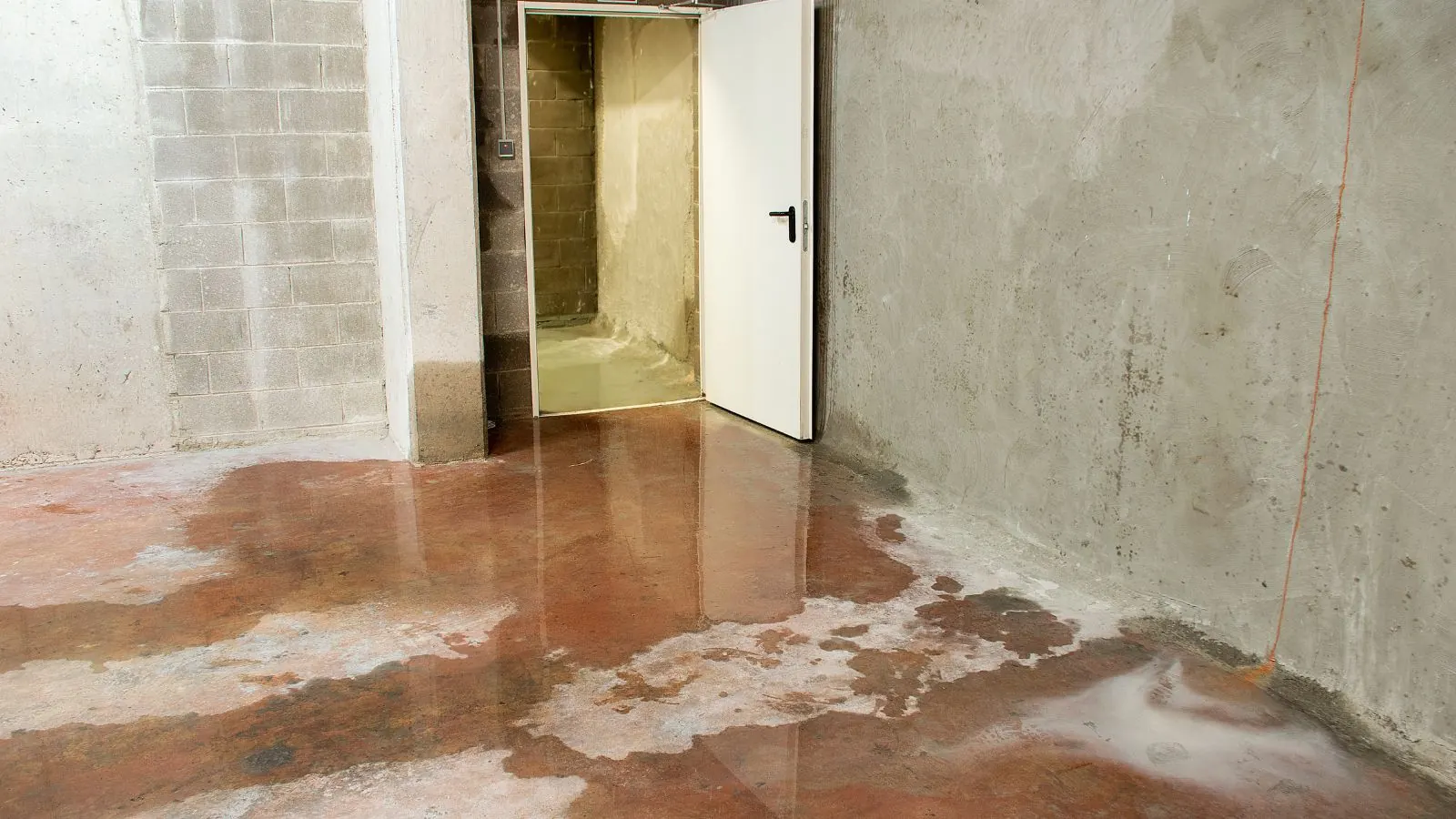
Basement mold remediation in Seaford, NY is priced by scope, not by a flat rate, and no honest number exists until someone has measured the affected area and found the moisture source. The big drivers are how many square feet are involved, which materials must come out, how much containment the job needs and whether the basement is finished. This post lists those factors and shows how to read a quote.
In New York there is also a structural twist: the company that tests and the company that cleans must be different businesses, so you will usually receive two bills.
The New York rule that creates two bills
Under Labor Law Article 32, mold work in New York is licensed by the Department of Labor (DOL). A mold project is defined as more than 10 square feet of mold, and the same person may not assess and remediate the same property.
In practice that means one licensed mold assessor writes the protocol, which is the plan for what gets removed and how, and a separate licensed remediation contractor carries it out. An independent post-remediation assessment then checks the result. Each company bills separately, so budget for both.
Cost factor 1: how much is affected
Area is the first line of any quote. Mold on a corner of one wall costs less to deal with than mold across several walls, a ceiling and a floor. The assessor's survey, which often includes moisture readings and surface sampling at their discretion, sets that boundary.
Hidden growth can raise the scope. A wall that looks stained in one patch may be wet along its whole length, and cutting it open is the only way to know. Ask whether the quote has an allowance for finding more than expected.
Want to talk through scope before you collect quotes? Call the dispatch line and ask what a written scope should include.
Call (516) 845-9582Cost factor 2: which materials are involved
Porous materials such as drywall, insulation, carpet and padding are usually removed, because mold grows into them. Hard surfaces such as concrete, block and framing can often be cleaned in place with HEPA vacuuming and damp wiping. The mix of removal and cleaning shifts the price.
A finished basement has more to take apart than an unfinished one. Cabinets, trim, paneling and built-ins add labor, and so does a wall that hides plumbing. Our wall and drywall water damage repair page covers what removal involves.
Cost factor 3: containment and air control
Mold work is done behind plastic sheeting with the work area held under negative pressure, meaning a HEPA air scrubber exhausts air so dust is pulled in rather than pushed out. More rooms or a harder-to-seal space need more setup. Stairways, open ceilings and shared ductwork make containment slower.
Crews also wear protective gear and use decontamination steps between the work area and the clean house. That labor and equipment time shows up on the bill.
Smaller footprint
Less sheeting, fewer air scrubber days and quicker setup.
Larger or open layout
More barriers, more equipment and slower sealing of the space.
Ductwork or HVAC in the area
Extra protection and cleaning steps to keep dust out of the system.
Tight access
Slow material removal through narrow stairs or small windows.
Cost factor 4: the moisture source
Remediation without fixing the water is a temporary result. A basement that takes in water through the wall, from a sump pump failure or through a leaking pipe will keep growing mold. The repair of the source is a separate trade and a separate cost.
If the area is still wet, drying comes first, using air movers and LGR dehumidifiers with daily moisture readings. See basement water damage cleanup for how that stage works. Skipping this step means paying twice.
Cost factor 5: testing, clearance and rebuild
The assessor's work includes the initial survey and protocol, then a clearance check after cleaning. If the first clearance does not pass, more cleaning and another check follow. Samples sent to a laboratory add fees.
Rebuild is its own category. Removed drywall, insulation, flooring and trim must be replaced, and a finished basement can cost more to put back than to clean. Ask whether the remediation quote includes rebuild or stops at a cleaned, dry shell.
What a good quote lists
- The company's New York mold remediation contractor license information, which you can verify with the DOL
- The assessor's written protocol that the quote is based on
- Area to be treated, listed by room and material
- Containment plan, including negative air and the number of air scrubbers
- What is removed, what is cleaned in place and how waste is bagged and disposed
- Drying equipment and days if the area is damp
- Post-remediation assessment step, handled by the independent assessor
- What is excluded, such as plumbing repair and rebuild
A one-line quote with a single number and no area, no protocol and no clearance step cannot be compared to any other. Ask for the breakdown before you sign.
Questions that expose a weak quote
- Is the company the same one that did the assessment, and if so, why?
- Does the quote follow a written protocol from a licensed assessor?
- How many square feet are included, and how is extra area priced?
- Is the moisture source repaired or only noted?
- Who pays for failed clearance and re-cleaning?
- Do the crews follow the ANSI/IICRC S520 standard for mold remediation?
| Quote item | Present means | Missing means |
|---|---|---|
| Assessor protocol | Scope tied to a plan | Price may be a guess |
| Area by room | Work can be compared | No way to compare bids |
| Containment plan | Dust control is priced | Spread risk is unaddressed |
| Clearance step | Result is checked | No proof it worked |
| Rebuild line | Replacement is included | Expect a second bid |
A company offering to test and remove in the same job is working against the state rule. A standard answer on the other points should arrive in writing.
Where insurance may and may not help
Some policies pay for mold that follows a covered sudden water loss, often with a sub-limit, and many exclude mold from long-term moisture or neglect. Others exclude it altogether. Check your policy and ask your insurer before work begins, and photograph the area first.
Flood is usually excluded from a standard homeowners policy, according to the New York State Department of Financial Services. If flood water caused the damp basement, review flood damage restoration and your flood coverage.
Honest limits
What a price guide cannot tell you
No article can give your number. Only a licensed assessor on site, followed by quotes from licensed remediators, can.
Health questions belong with a physician, and no company can promise that mold will never return. The best protection is a dry basement.
What Seaford homeowners should check locally
The USGS reported record coastal flooding across the western bays of southern Nassau during Superstorm Sandy on October 29, 2012. If your basement ever took in storm water, tell the assessor, since floodwater can leave contaminated materials that change the removal scope.
Rebuild work may need a permit. Ask the Town of Hempstead Department of Buildings before you finish a basement again, and add any permit cost to your budget.
For where we work, see the Seaford service area page.
Frequently asked questions
Why are there two bills for basement mold work in New York?
State law bars the same person from both assessing and remediating the same property. A licensed assessor writes the plan and checks the result, and a separate licensed remediator does the work. Each charges separately, which also gives you an independent check on the cleanup.
Does the 10 square foot rule change the cost?
It changes the process. Above 10 square feet, the work counts as a mold project and falls under the licensing, protocol and independent assessment rules, which add steps. Below that, other rules may apply, so confirm with the DOL or your assessor.
Can I get a flat price over the phone?
Be cautious. Mold work depends on measured area, materials and moisture, and a phone number ignores all of that. A reputable company will explain how it prices and will want the assessor's protocol. A call to the dispatch line is a good start for scope questions.
Does fixing the moisture cost extra?
Usually yes, because plumbing, waterproofing and drainage work belong to other trades. Drying equipment is a restoration cost, but repairing a foundation crack or a pipe is not. Ask each contractor what their quote leaves out.
Will insurance cover mold removal?
Sometimes, if the mold followed a covered sudden loss, and often with a cap. Long-term moisture is commonly excluded. Read the mold section of your policy and ask your insurer before the work starts.
Is my Seaford basement more likely to need containment because of its layout?
Layout matters more than location. Open stairs, shared ductwork and finished rooms raise containment effort in any Seaford home. We have no confirmed local data on how many homes have basements, so have the assessor measure your own space.
Ready to compare scope and price in writing? Call the 24/7 line, and the scope gets explained before work starts.
Call (516) 845-9582